
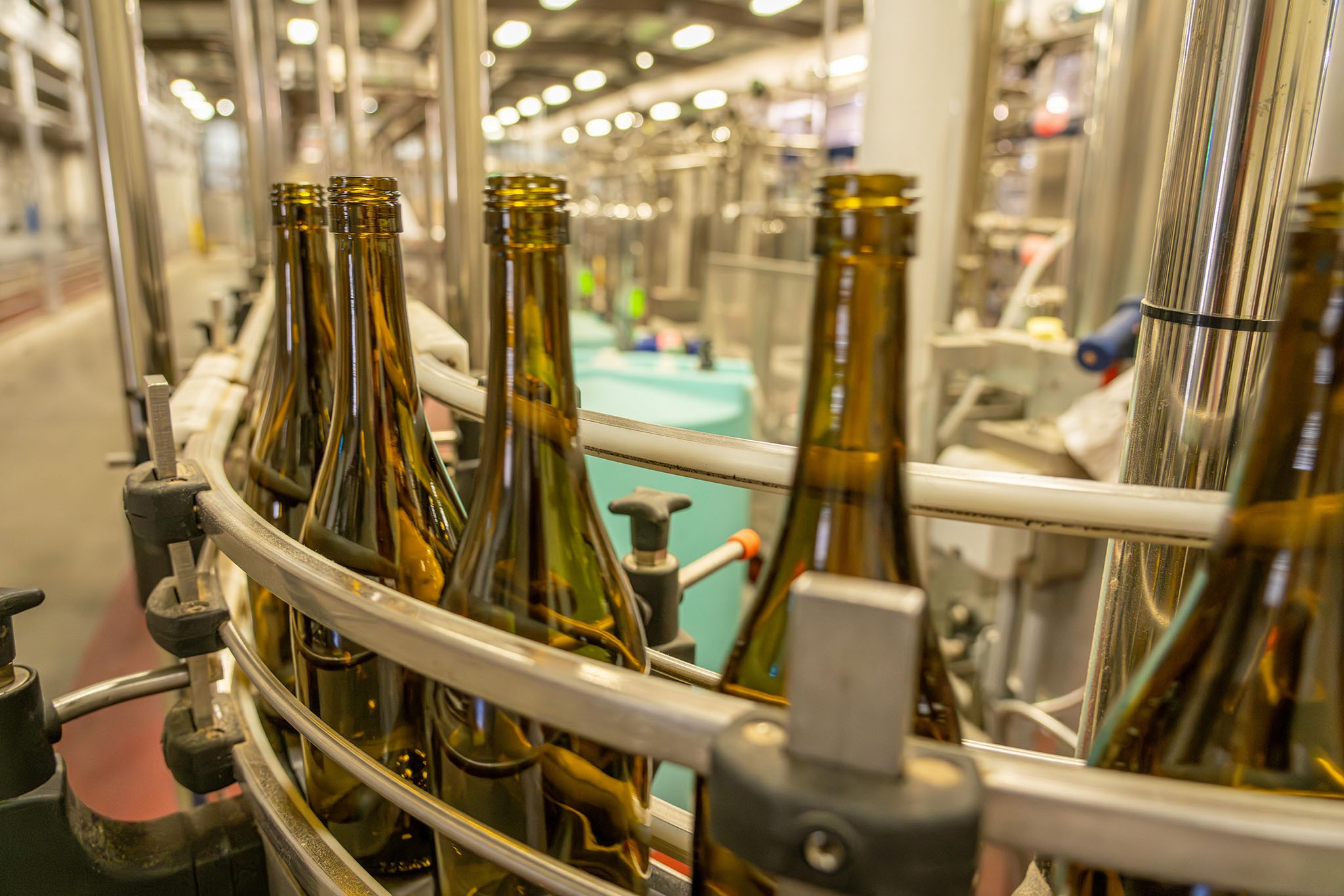
A few years ago we were in the Czech Republic on site of a large multinational customer for the kickoff of a digital transformation project. The initial focus was on the packaging process. We were asked to help make the process of filling thousands of bottles per hour more efficient in any way we could.
My role was to help connect the first machines, bring data into our platform, and explore what kind of insights and models could follow.
The kickoff presentation I prepared was filled with ambitious ideas. We could use machine learning to simulate and forecast running batches, apply advanced models to define an artificial golden batch, or track machine health by analyzing stops, slowdowns, fault messages, and process parameters. For me, it was exciting to imagine all the possibilities. For the local team, it was the first time they were hearing any of this.
After my presentation, one of the shift leaders pulled me aside. He said: “I’ve seen a dozen groups like yours come through with these presentations. In the end nothing changes. Just eat your food, go home, and let us get back to work.”
I didn’t know how to respond at first. He wasn’t being rude, he was being honest. I had come in full of enthusiasm, but to him I was just another in a long line of visitors who never changed much.
The next day we did a walk along their packaging line. I was determined to repair things with the shift leader, or at least understand his point of view better.
He gave me earplugs before we started. “It gets loud sometimes,” he said. I wore them for a bit, then slipped them out. I thought it was better to hear him clearly, and the noise didn’t seem so bad.
A few minutes later the line came to a sudden stop. Thousands of glass bottles jolted to a halt and slammed into each other, the sound rattling through the hall. I wanted to prove I was paying attention, but somehow managed to miss the point for a second time in two days.
Operators immediately ran around the line, looking for the source of the stoppage. After a short scramble, the shift leader spotted the culprit and raced to a cabinet to fetch a broom. With it, he poked at the conveyor just after the filler until a fallen bottle came loose. The jam cleared, and the whole line started up again as if nothing had happened.
The shift leader turned to me and said: “Now explain to me how your machine learning is going to solve this.”
I didn’t have an answer. Not a good one, anyway. These operators had been working with the process for years, some for decades. They could sense problems before a dashboard could, and they knew by heart what would really make production smoother. And in the end, even if a dashboard could detect the stoppage, someone still needed to poke the bottle with a broom. My data models only meant something if they built on that knowledge instead of trying to replace it.
Later that day, we sat down again to talk through possible use cases. This time I listened more than I spoke. The shift leader and his team began sharing what frustrated them most.
Their top concerns were not about advanced models or predictions. What they wanted was more overview: straightforward dashboards that showed what was happening where, so they could catch fires before they started.
So that is where we began. The first use case we worked on together was directly connected to what had happened earlier with the broom. By determining in real time which machine had stopped first, we could eliminate the time they usually spent running around the line to find the culprit. Of course, they still had to fix the problem itself, sometimes with a broom, but getting to the source faster already saved time and frustration.
For the operators, it meant immediate value and fewer surprises. For me, it was a chance to learn practical insights about their process that I never would have seen from the data alone.
Looking back, that was the turning point. Our technology could drive change, but their knowledge was the key. They could see how data might support them, and I could start mapping technology more directly to what they were asking for. That gave us common ground and made it much easier to later explore more complex ideas together. And when the time came to move toward advanced models, we could do it with a shared understanding that made those steps much more successful.
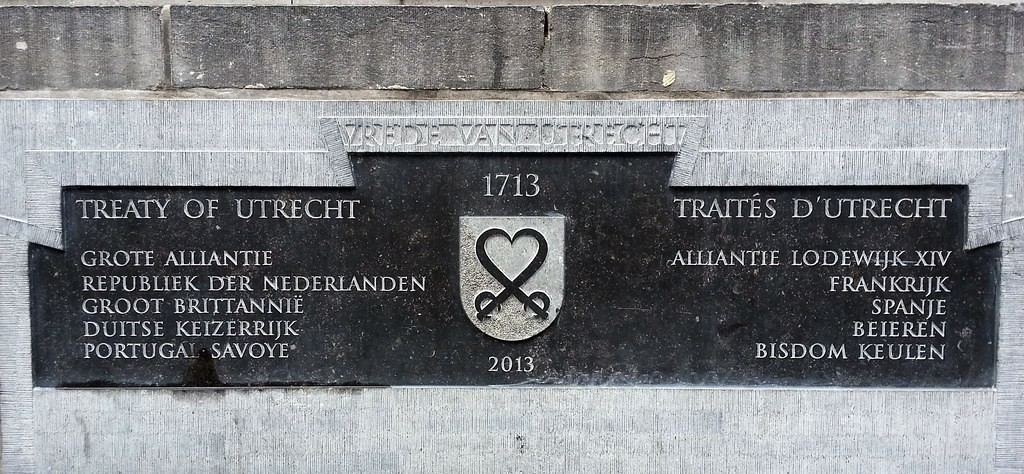
I have always loved history, and when I moved to the Dutch city of Utrecht I began reading more about its past. During the negotiations that led to the Peace of Utrecht in 1713, the French said something to the Dutch delegation that struck me: “We are in your home, debating about you, without you.”
In a way, that was exactly what we were doing, even with the best of intentions. Decisions were being made far from the packaging line, while the people who knew it best were rarely heard. Today, that is still the risk in many digital transformation projects: global ambitions that sound promising, but do not connect to the reality on the shop floor.
At the start of another project, an operator once told us: “This project will probably fizzle out like a candle in the night.” It was his way of expressing something we had seen many times before: initiatives that begin with energy but lose momentum when they fail to connect technology with the people who actually use it. At Helixer, we took that to heart. We know projects often fail because technology is brittle or the approach is too top-down. That is why we built Helixer OS with both robustness and people in mind.
Helixer OS can securely connect to machines and third parties, unify machine data in real time, and run advanced machine learning, AI, or even custom code - on the edge as well as in the cloud. It is extensive and reliable by design, so the focus can be on what really matters: giving operators and managers the tools to solve the problems they care about most. Sometimes that is a simple dashboard to prevent wasted hours; other times it is a predictive model running in production. The point is not to push the most advanced solution, but to create value that people trust and use.
This way, the knowledge of the user and the possibilities of data reinforce each other instead of competing.
That lesson, first learned in a noisy packaging hall years ago, continues to guide how we build and how we work at Helixer.
We believe transformation only works when it starts bottom-up, with the people who know the process best. Our role is to bring in technology that is strong and flexible enough to support them, so their knowledge and experience can drive change rather than be replaced by it. Our role is not only to provide the technology, but also to help shape and kickstart the journey itself, working together to make sure the early steps matter.
If this perspective resonates with you, we would be glad to share more about how we approach digital transformation at Helixer.